Assisted Living Is a Luxury Product and How to Navigate It
Not Just Care: How Assisted Living Really Works (And What You Can Do About It)
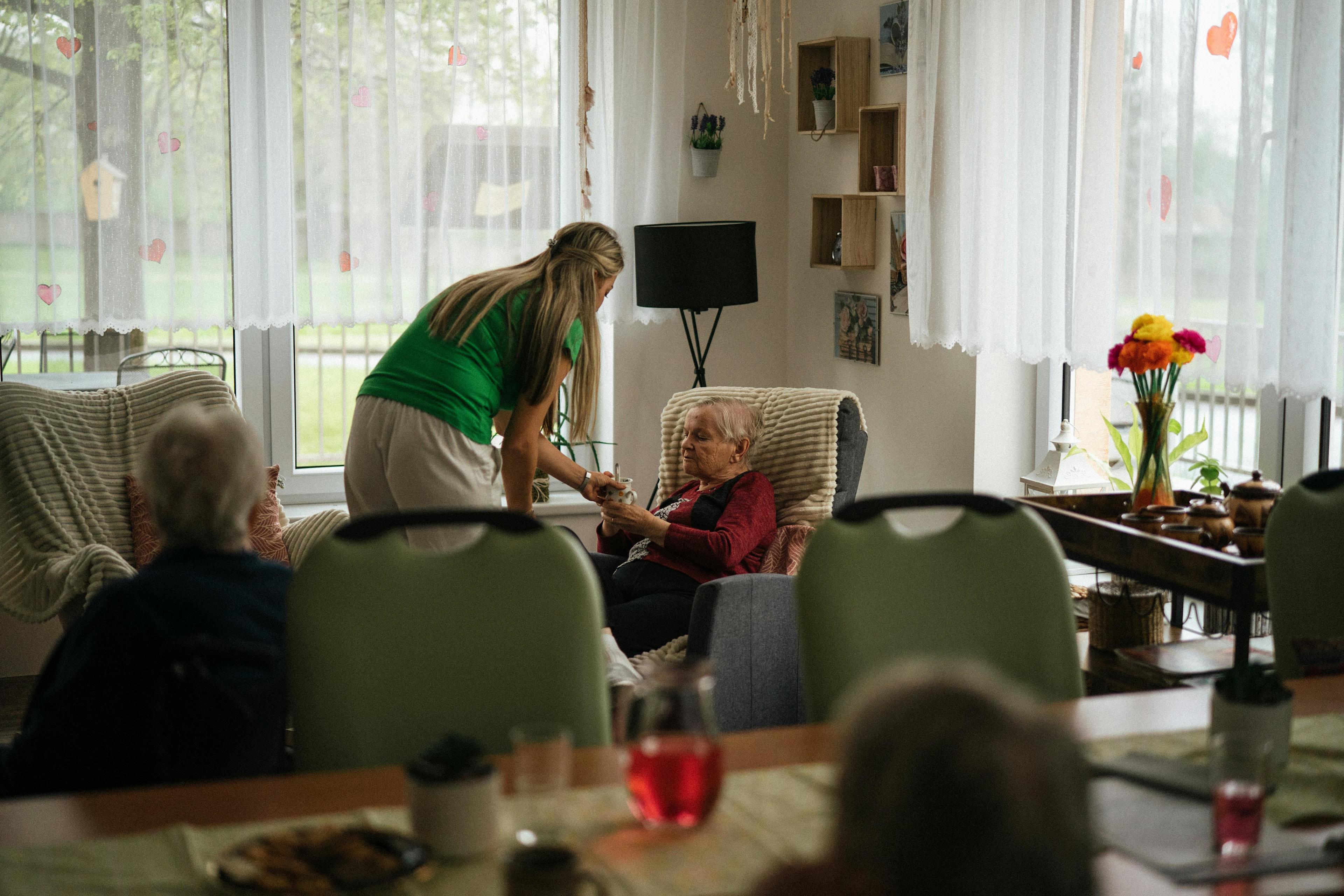
Most families approach assisted living as if it were infrastructure: something you step into when the time comes, something that works as expected once you can afford it. That assumption often leads to surprise.
In reality, assisted living functions more like a market-driven, tiered service than basic infrastructure. It is optional, selectively transparent, and priced for financial stability rather than the unpredictable realities families face. Many assume they are buying care. In truth, they are purchasing a bundled service with exclusions, thresholds, and escalation clauses that matter far more than a brochure or tour might suggest.
That misunderstanding can have catastrophic consequences. “Sixteen continuing-care retirement communities have filed for Chapter 11 since the start of the pandemic, wiping out more than $190 million in savings for over 1,000 families,” The Wall Street Journal reported in a 2025 investigation. In those cases, residents discovered—often too late—that entrance fees and care guarantees function more like unsecured financial claims than protected consumer purchases.
Most Americans want to stay at home for as long as possible. But the reality is that there comes a time when an individual’s health needs can no longer be met at home.
The problem is not just cost. The problem is misunderstanding the product.
Contracts Matter More Than Brochures
The most important document is not the marketing material—it’s the residency agreement.
The Journal noted that many facilities rely on entrance fees “to fund day-to-day operations while maintaining only modest reserves,” leaving residents exposed when move-ins slow or housing markets weaken.
Look for:
Who can change care levels and how often
Which services are excluded from the base rate
What triggers discharge, regardless of your ability to pay
According to AARP policy guidance, supportive housing should promote residents’ autonomy and decision-making while ensuring high-quality services. Consumer protections should ensure safety, encourage a home-like atmosphere, and offer an individualized approach that ensures personal dignity and autonomy.
If a facility cannot clearly answer these, ambiguity is built into the product.
The Journal noted that many facilities rely on entrance fees “to fund day-to-day operations while maintaining only modest reserves,” leaving residents exposed when move-ins slow or housing markets weaken.
Plan Finances Early
Assisted living pricing works best when care needs are static. Families almost never arrive at that moment. Costs rise in stages: medication management first, then personal care, then supervision, while existing expenses continue.
Experts emphasize that early research, financial planning, and clear documentation reduce stress and give families confidence when making decisions.
Financial strategies that make a difference:
Keep care-related spending separate from everyday expenses. This can be done through a dedicated checking account, a separate budgeting envelope, or a clearly tracked category in your existing accounts. The goal is clarity, not necessarily opening new accounts.
Use one method consistently for care charges. Whether it’s one card, one account, or one payment platform, having a single “source” for all facility and medication payments creates a clear trail and makes it easier to track changes.
Set up alerts or regular reviews for billing and pharmacy charges. Even simple email notifications or scheduled monthly reconciliations let you spot increases or unexpected charges early, giving you time to ask questions or address issues.
This is not about neatness; it is about catching cost escalation early, before changes become unmanageable.
Documentation Creates Leverage
Families who document everything—contracts, care changes, billing conversations—see different outcomes than those relying on urgency and trust.
Essential documents:
Durable Power of Attorney covering housing and care decisions
Authorized representative forms aligned across facility, banks, and insurers
Written care escalation outline, even if informal, acknowledged by the facility
Most facilities do not provide the third. Families who create it establish expectations early, while goodwill still exists.
When you tour, ask about staff ratios, turnover, crisis handling, and communication methods. Marketing materials will not reveal these realities.
Time Is the Most Expensive Input
Assisted living reduces hands-on care but does not reduce coordination work for families. Billing questions, reassessments, medication changes, and staffing shifts create a steady administrative load.
Simple habit that pays off: Insist on written summaries for all billing and care changes. Even short follow-up emails create a record that can prevent future disputes. Clarity, not confrontation, is the goal.
Expect Tradeoffs
Assisted living is marketed as a solution, but families experience a series of tradeoffs:
Care, housing, and cost are loosely connected
Higher price does not guarantee continuity
Kind staff can coexist with rigid financial rules
When the staff is happy, that trickles down and can help make your loved ones happy.
— Laura Vaillancourt, Eldercare (aarp.org)
Understanding these tradeoffs early allows families to track escalation, question fees, and plan for change rather than reacting in crisis.
Treat Assisted Living Like a Phase, Not a Destination
Assisted living is not a permanent solution. It is one phase inside a longer financial and care system. Treating it like a luxury product is not cynical. Luxury products assume informed buyers, optionality, and tradeoffs. Families deserve the same clarity.
If assisted living forces families to make high-stakes financial decisions under emotional strain, the failure is not that families struggle. The failure is that the system pretends this is simple.
Actionable Takeaways
Read and analyze the residency agreement carefully before touring any facility
Plan financial streams separately with dedicated accounts and cards for care charges
Track every care escalation in writing from day one
Ask about discharge clauses, care reclassification, and excluded services and get clear answers in writing
Create a care escalation plan with the facility’s acknowledgment
Treat assisted living as part of a long-term plan, not a fixed destination
Further Reading
She Paid $1 Million to Join a Senior Facility. Its Bankruptcy Wiped Her Out. An investigation into continuing-care retirement community bankruptcies and how residents’ entrance fees and care guarantees can be lost when facilities fail.
Aging Boomers Are About to Rekindle the Senior-Housing Market. Market analysis of pricing, demand, and financial pressures shaping assisted living and senior housing.
New Housing Options Emerge for Older Americans. Coverage of cohousing, home-sharing, and multigenerational living as alternatives many families pursue before or instead of assisted living.