The Most Important Part of Aging Is the One We Plan for Last
Retirement is not the crisis, invisibility is.
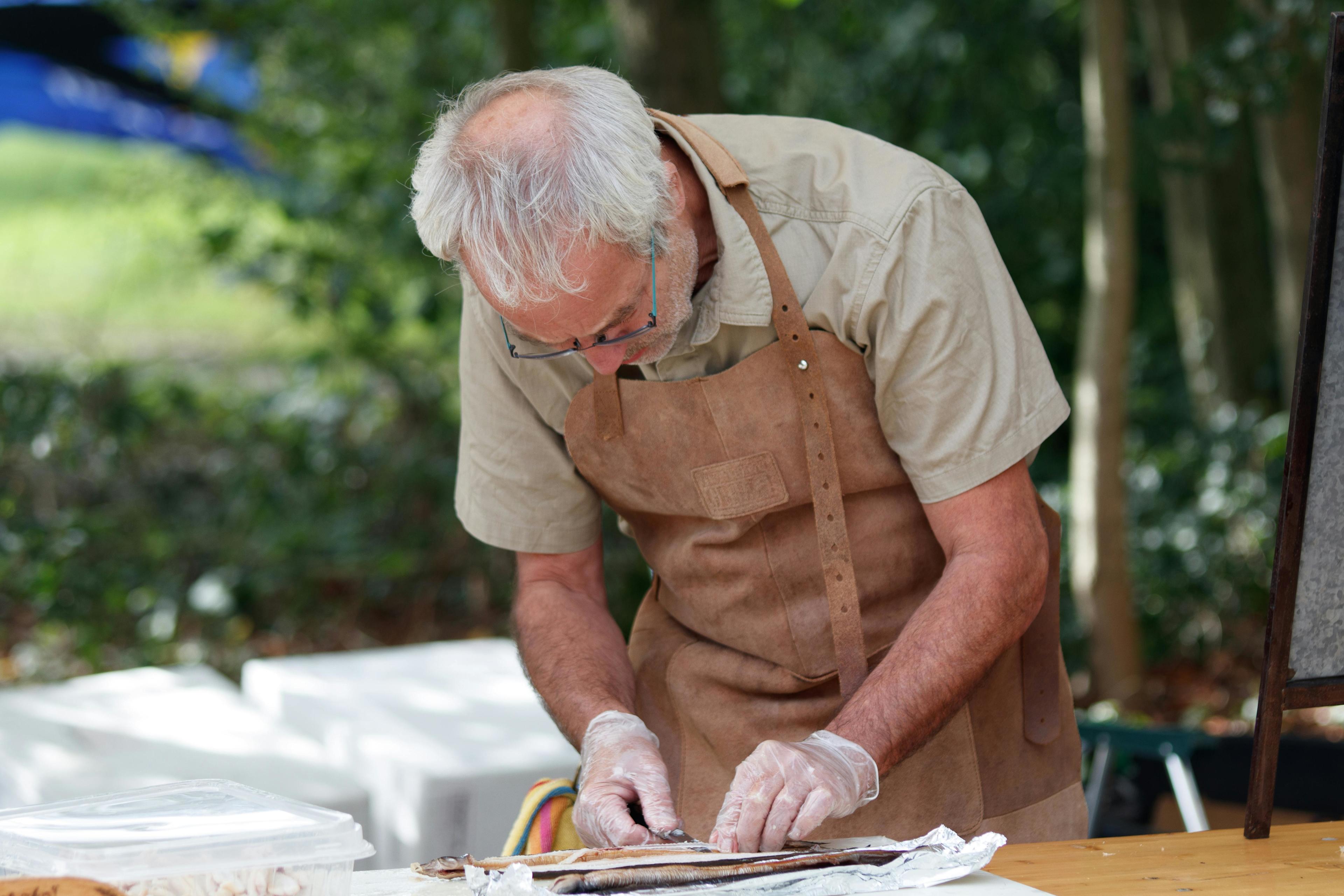
Something broken is placed on a table, taken apart, and slowly brought back to life — a toaster that no longer heats evenly or a jacket whose seam finally gave out after years of wear. Hands that once built careers now work carefully again, tracing wires, guiding fabric beneath the needle of a sewing machine, testing what still functions and what can be repaired.
In a recent Wall Street Journal piece, Jennifer Breheny Wallace writes about a community repair gathering in Hudson Valley, New York, where retired engineers, mechanics, and longtime hobbyists help neighbors fix everyday items. As the repairs take shape, conversation fills the room. People talk about where they grew up, how things used to be made, and the neighborhoods they now live in. While appliances are rewired and clothing is stitched back together, names are exchanged, faces become familiar, and people often stay longer than they planned, lingering even after the repair itself is finished.
Wallace points to scenes like these to show what many older adults are quietly searching for after leaving long careers. They are not simply looking for ways to pass the time, but for places where their skills are still useful, where their presence is noticed, and where they feel connected to the people around them. This is the part of aging most people never plan for.
The Aging Conversation We Keep Avoiding
When people talk about aging, the same questions tend to surface again and again. They come up in lawyers’ offices while reviewing wills and trusts, in exam rooms during routine checkups, and late at night at kitchen tables as families try to think through what the future might hold. Will there be enough money? What happens if health changes? Where will someone live if they need help?
These questions matter, but Wallace argues they are not what most determines whether later life feels grounded or deeply isolating.
In her piece, she uses the idea of a “mattering span,” the stretch of life in which a person feels valued by others and able to add value in return. Most people spend years planning for financial security and physical health, yet give far less thought to how they will continue to feel relevant or needed once long-standing roles fall away.
The cost of overlooking this shows up clearly in the research Wallace uses. A 2020 meta-analysis published in the journal Healthcare, using data from more than 3,000 retirees, found that nearly one-third experienced depressive symptoms after retirement. Rates were even higher among those who were forced into retirement because of illness, layoffs, or mandatory exits. Other studies have linked the psychological losses of retirement, especially feeling less valued, less needed, or less connected, to higher risks of depression later on.
Simultaneously, aging now stretches across decades rather than years. More than 11,000 Americans turn 65 every day, and by 2030, one in five Americans will be of retirement age. As lifespans lengthen, the more important question becomes not just how long people will live, but how connected and relevant they will feel during those years.
Why Feeling Valued Shapes Well-Being
Wallace’s argument is simple: people need to feel seen, useful, and recognized. Mattering is the feeling that you are valued, that your presence makes a difference. She points to research showing that among suicidal men, two of the most common words used to describe their distress were “useless” and “worthless.”
Research on Blue Zones, regions of the world where people live the longest, reinforces this idea, showing that older adults who maintain a clear sense of purpose and remain embedded in daily community life tend to experience better health, stronger well-being, and greater longevity.
For much of adulthood, this feeling is reinforced by work, family, and social roles. Colleagues rely on your judgment. Children depend on you. Decisions flow through you. Later in life, those structures often disappear faster than new ones form. Without intention, people can find themselves well cared for in practical terms, yet emotionally unmoored.
How the Loss of Mattering Shows Up at Home
Very few people articulate this loss directly. Instead, it tends to surface in ways families struggle to interpret.
A parent may resist help that would clearly make daily life easier. A loved one may become more withdrawn or more irritable, or unusually rigid about routines and decisions that once felt negotiable. What may look like stubbornness can be grief for a former role, and what looks like anger can be fear of becoming invisible. As retirement removes familiar structure and care transitions reshape identity, people can begin to feel sidelined in their own lives if those shifts are not paired with new ways to contribute or belong.
Caregivers are often the first to sense this change, even if they do not yet have language for it. They notice the emotional weight behind small interactions, the sensitivity around being corrected or helped, and the tension between keeping someone safe and preserving their dignity.
Over time, caregivers can experience their own version of this loss. As responsibilities grow, identities narrow. Days revolve around appointments, medications, logistics, and constant vigilance. Caregivers are relied on deeply, yet often feel unseen as individuals beyond the role they play.
In online forums, caregivers frequently describe feeling invisible while carrying enormous responsibility. This is what it looks like when mattering erodes on both sides of care.
Finding It Again
Wallace found that the people who regained a sense of purpose did not do so by simply staying busy. They found places where their presence made a tangible difference.
The community repair café in Hudson Valley is just one example. While the work itself is practical, the larger impact comes from the exchange around it: sharing skills, telling stories, and familiar faces reappearing week after week. Over time, these gatherings become less about fixing objects and more about restoring a sense of belonging.
People feel better when they can meet a real need, when others rely on them, and when their contributions are acknowledged in everyday ways.
At the end of a repair day, when one of the volunteers packs up their tools, the satisfaction they feel is not the same as the satisfaction they used to get from a paycheck. It is quieter and more personal. It is the feeling of being seen again, of being needed, of leaving a room knowing that something and someone was restored too. It is not just the objects that get fixed, it is the people too.