Assisted Living Doesn’t Solve Caregiving
Assisted living changes what taking care of a parent means.
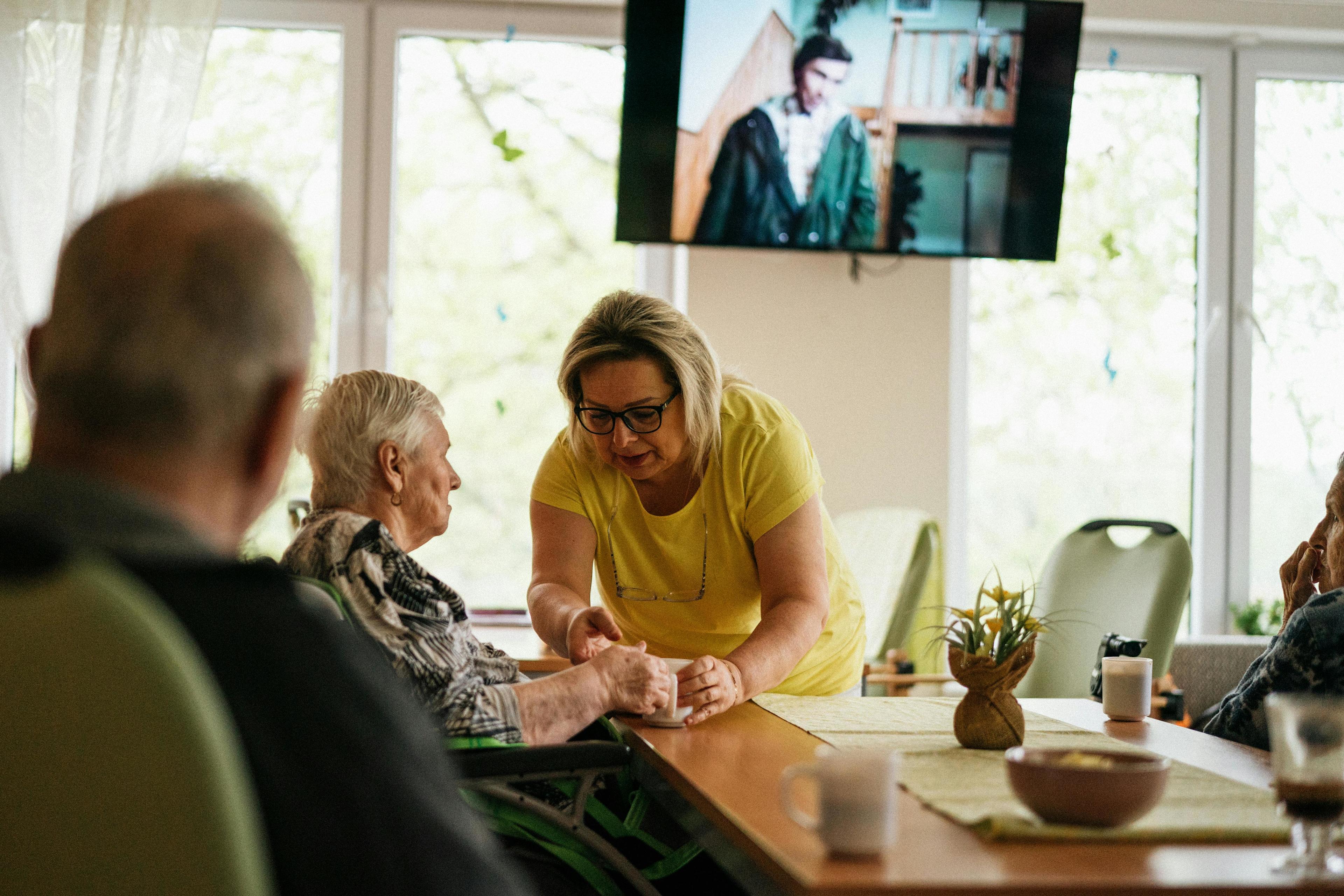
A few months ago, we wrote that assisted living often operates more like a product than a piece of stable care infrastructure. Since then, we’ve heard from both caregivers and nursing home staff who described what actually happens after the move: families enter expecting something consistent, but quickly realize that pricing, services, and day-to-day experiences shift over time.
Even when families approach this decision carefully, ask the right questions, and choose a place that feels right, many still find themselves adjusting in ways they did not anticipate.
What “Care” Actually Means Day to Day
Assisted living is often understood and marketed as ongoing care. In practice, it is more limited. As one caregiver described it:
It’s assistance with daily tasks, not caregiving.
Over time, support is typically tied to defined activities such as dressing, bathing, or medication reminders, delivered within set windows. But much of the in-between still exists: small changes, off days, and the kind of attention that comes from knowing the person, not just completing a task. This can vary from family to family. For some, the structure works well. For others, it requires a period of adjustment.
Why Costs Feel Like They Keep Increasing
Families expect assisted living to be expensive. What many do not anticipate is how costs change alongside a loved one’s evolving needs. Pricing is often tied to levels of care, which are reassessed over time. Changes, whether from a brief hospital stay or a small stumble, can lead to new services and additional costs. One caregiver described a reassessment that added a significant monthly cost for help with dressing, something they had not anticipated at the time.
What Gets Easier and What Doesn’t
Assisted living can reduce certain types of strain for many families. Meals are handled, there is a level of oversight, and the environment is designed with safety in mind. At the same time, involvement does not disappear, but instead shifts into coordination, communication, and decision-making.
As one caregiver explained:
There is still a fair amount of work to do. You still have to take your parents to doctors’ appointments.
The coordination continues: One person may still be noticing subtle changes, another following up on concerns, and someone else keeping track of information and making decisions about care. The difference is that what needs to be done is now shared across more people and more moving parts.
Where Structure Helps and Where It Has Limits
Nursing homes and assisted living facilities are built to support many residents at once, which means care is structured. That structure allows for consistency, but it also defines the boundaries of attention. A family member described paying for medication reminders that, over time, became more of a quick check-in than a hands-on process.
The Human Side of the Transition
The move into assisted living is often made after a period of uncertainty, so it can bring a sense of relief. It can also bring new questions.
One caregiver described feeling confident in the decision, only to have their parent later ask to return home.
It does not mean the decision was wrong, but that it was the best one at the time. The transition itself is significant. New environments, routines, and expectations take time to adjust to, even when they are the right choice.
What the Data Shows
These experiences reflect a broader pattern in caregiving. According to AARP, family caregivers spend an average of approximately $7,400 annually out of pocket while continuing to manage coordination and oversight.
Assisted living becomes part of caregiving, not a replacement for it.
How Families Adjust Over Time
For families who have been through it, the reflection is often the same: they would approach assisted living differently if they had to do it again.
A few patterns come up consistently:
Keep track of changes in care and cost over time, rather than noticing them after the fact
Use visits to look for patterns and small changes, not just check in
Stay in regular communication with staff, not just when something goes wrong
Add support as needs evolve, instead of waiting until it becomes urgent
Revisit decisions over time, rather than treating them as final
In practice, keeping track of changes, communication, and decisions over time is difficult to maintain. It requires a shared place to keep everything in one place and stay aligned as things evolve.
That’s what shaped how we built Rejara. It helps families stay organized, see what’s changing, and coordinate decisions over time.
Where This Leaves Things
For many families, assisted living is still the right decision. It can provide safety, structure, and support that would be difficult to recreate at home. Caregiving continues in a different form. Most families find that understanding that shift—not the move itself—is what takes time.
As care evolves, information, decisions, and the day-to-day become spread across different people, making it harder to stay aligned and keep track of what is happening over time. This complexity isn’t caused by any one provider. It’s what happens when care is shared across families, staff, and day-to-day coordination.
Rejara helps families stay organized and coordinate decisions as care evolves, so nothing important gets lost along the way.
Start building your care network earlier, before the complexity compounds: https://app.rejara.com/signup?platform=caregiving.
Read Our Previous Article
Further Reading
Caregiving in the United States — AARP Research on the financial and logistical realities of caregiving, including the average annual out-of-pocket cost of approximately $7,400.
She Paid $1 Million to Join a Senior Facility. Its Bankruptcy Wiped Her Out. An investigation into continuing-care retirement community bankruptcies and how residents’ entrance fees and care guarantees can be lost when facilities fail.
Aging Boomers Are About to Rekindle the Senior-Housing Market. Market analysis of pricing, demand, and financial pressures shaping assisted living and senior housing.
New Housing Options Emerge for Older Americans. Coverage of cohousing, home-sharing, and multigenerational living as alternatives many families pursue before or instead of assisted living.