Supporting Seniors in Grief: Finding Peace Through Loss
Understanding the Uniqueness of Grief in Seniors
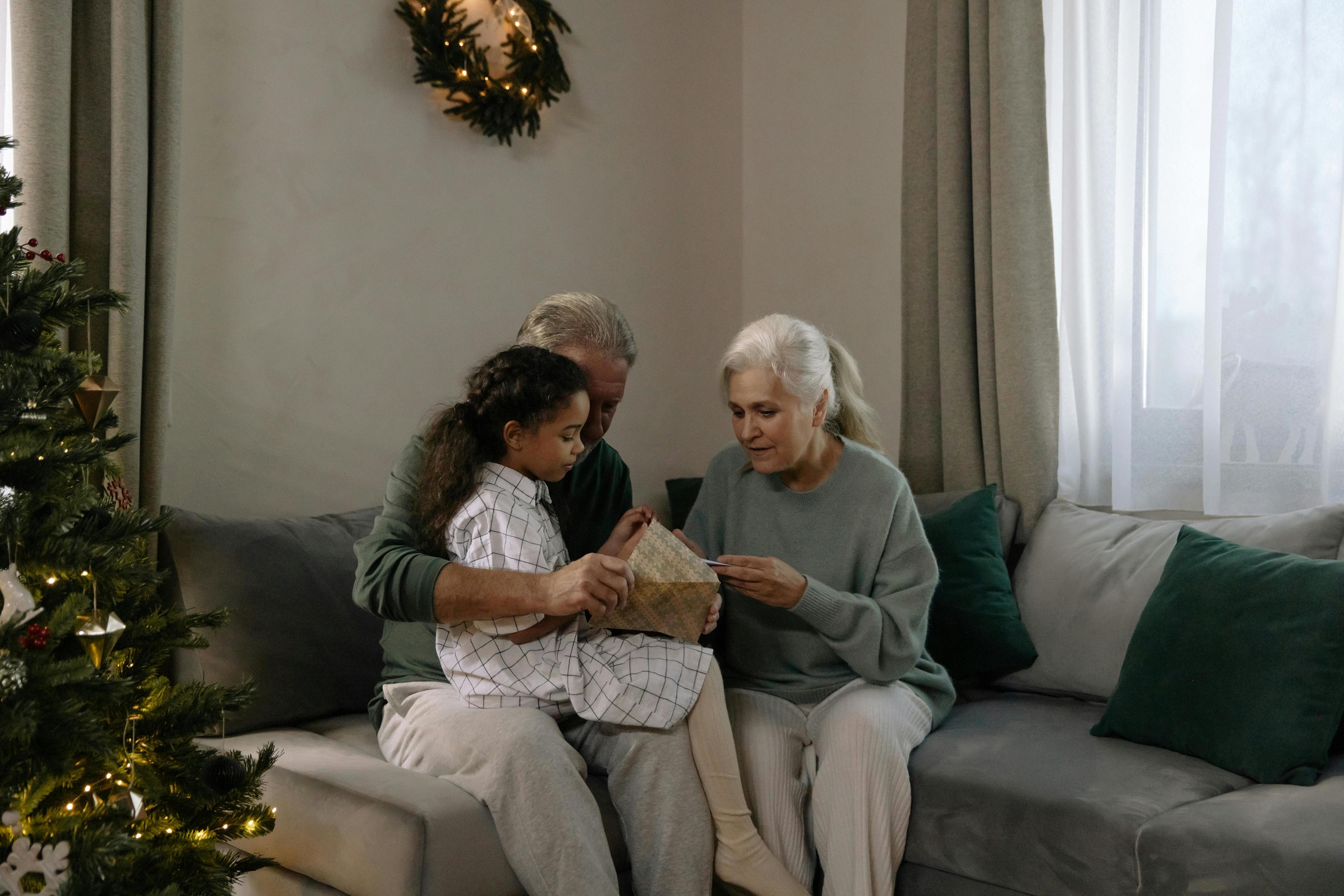
Grief is a universal experience, yet for many seniors, it can feel deeply isolating. The loss of a loved one can lead to a profound sorrow that colors every aspect of life. As family caregivers and senior care professionals, our role in offering compassionate support is invaluable. By understanding effective grief support for seniors, we can help them navigate this challenging journey towards healing.
The holiday season can intensify feelings of loss, as familiar traditions and gatherings highlight the absence of loved ones, making support especially important during this time.
Understanding the Uniqueness of Grief in Seniors
Seniors often face unique challenges when coping with loss. Many have witnessed the passing of friends and family members over the years, leading to feelings of loneliness and despair. Furthermore, their emotional landscape can become complicated by the physical changes and health issues that often accompany aging. The stigma surrounding grief can also create communication barriers, making it difficult for seniors to open up about their feelings. This is where our help can make a significant difference.
Essential Grief Support Strategies
Create an Environment of Open Communication: Encourage seniors to share their feelings. Whether it's through casual conversations or structured grief counseling, allowing them to vocalize their emotions can be a powerful healing step. Remember, it's not about fixing the grief; it's about being present.
Access to Bereavement Support: Organizations often offer bereavement groups specifically tailored for seniors. These groups provide a safe space to connect with others who are experiencing similar losses. Finding a local support group can help reduce feelings of isolation and foster new friendships.
Emotional Assistance: Effective emotional support might involve the services of a therapist who specializes in grief counseling. Professionals trained in this area can provide coping strategies and a deeper understanding of the grieving process, which is incredibly beneficial.
Spiritual Guidance: For many seniors, faith plays a significant role in coping with loss. Working with spiritual leaders or counselors can help them explore their beliefs and find comfort in their spirituality. Spiritual companionship can also offer solace during end-of-life transitions, reinforcing a sense of belonging.
Encouraging Healthy Hobbies: Encourage seniors to engage in activities that promote emotional well-being. Whether it’s gardening, painting, or joining a book club, keeping their minds active can be therapeutic. Laughter, often through humor, can be a balm for grief.
Emphasize the Importance of Routine: Establishing a daily routine can foster a sense of normalcy and stability. Regular mealtimes, exercise, and social activities can provide structure and distraction to help ease the pain of loss. Even small holiday traditions, like lighting a candle or sharing a memory of a loved one, can bring comfort and connection during this season.
Finding a Supportive Community
Finding the right resources can pave the way for healing. The National Institute on Aging offers guidelines on supporting older adults with grief. Additionally, the Village Caregiving Blog provides useful coping strategies on understanding grief specifically in older adults.
Remember, healing from grief is not a linear journey, and it often takes much longer than expected. Patience, compassion, and understanding are vital as your loved ones navigate through their sorrow.
Grief support for seniors is not just a service; it is a vital lifeline. With the right emotional and spiritual assistance, we can help seniors find peace and connection in their time of loss. Let us walk alongside them, providing comfort and companionship during these difficult times. Remember, no one has to grieve alone.